
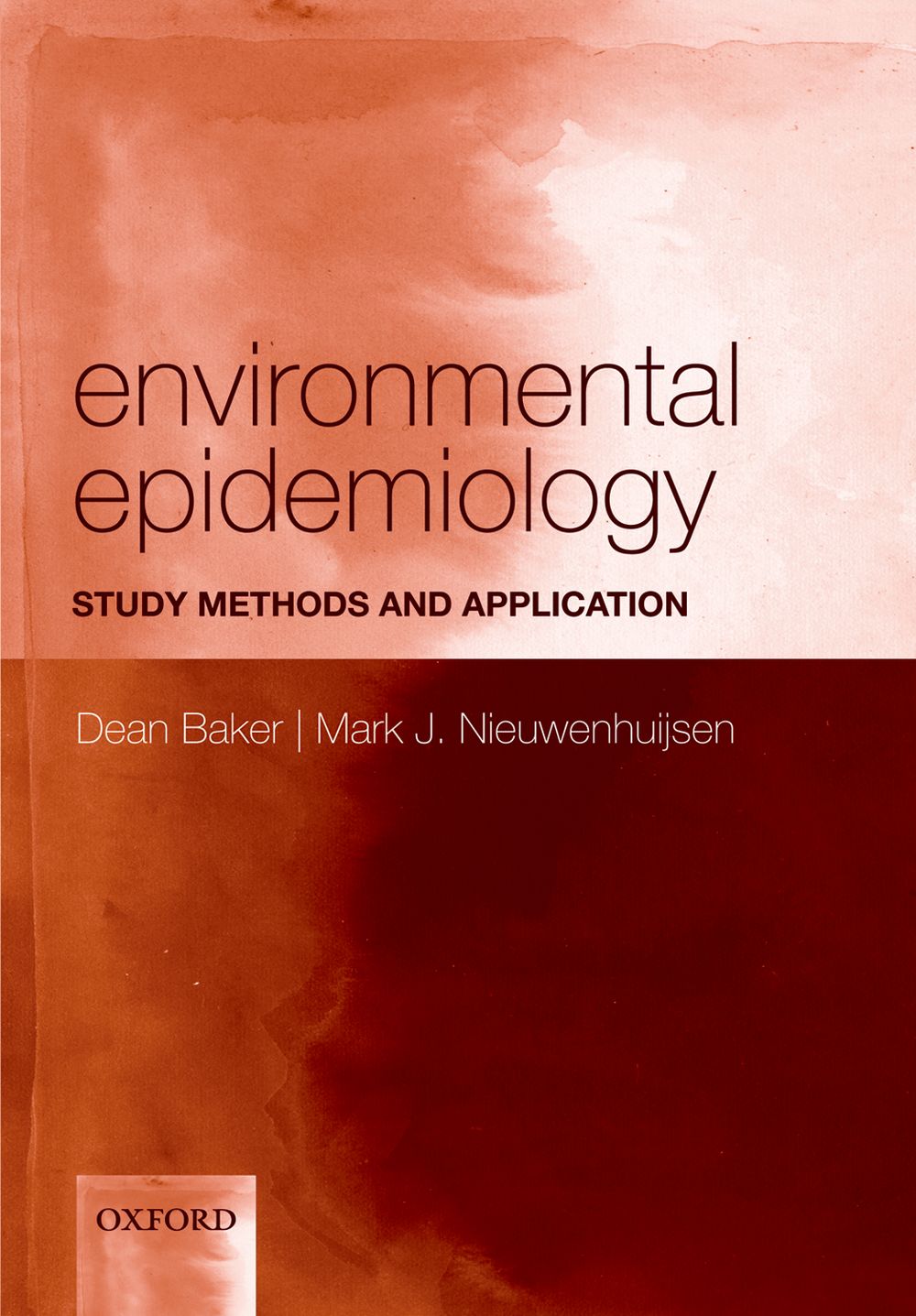
Environmental Epidemiology: Study Methods & Application
R1,900.00 (incl. VAT)
Air pollution, water contamination, persistent organic pollutants, pesticides, metals, and radiofrequencies are just some examples of environmental factors that have been linked to adverse health effects such as cancer, respiratory disease and reproductive problems. Environmental epidemiology studies the interaction of disease and these environmental determinants of disease at a population level. Whilst risks associated with environmental exposures are generally small, the exposed population, and hence the population burden of disease, may be large. To detect these small risks, it is therefore essential that related methods and their application are refined.
In addition, there is increasing attention on environmental health issues from the public, government, and media, thus raising the profile of envrionmental epidemiology in preventive medicine.
This book describes the methods of environmental epidemiology, with emphasis on good practice. It outlines the basic principles of epidemiology and environmental health, and describes in more detail special environmental epidemiological designs that are rarely described in other textbooks. The principles of health risk assessment and forecasting, as well as the application of study data in these types of study, are explored. Several chapters cover practical issues in the conduct of studies, such as field work and data analyses and its requirements. Ethical issues and the role of environmental epidemiology in policy making are also covered.
Out of stock
In addition, there is increasing attention on environmental health issues from the public, government, and media, thus raising the profile of envrionmental epidemiology in preventive medicine.
This book describes the methods of environmental epidemiology, with emphasis on good practice. It outlines the basic principles of epidemiology and environmental health, and describes in more detail special environmental epidemiological designs that are rarely described in other textbooks. The principles of health risk assessment and forecasting, as well as the application of study data in these types of study, are explored. Several chapters cover practical issues in the conduct of studies, such as field work and data analyses and its requirements. Ethical issues and the role of environmental epidemiology in policy making are also covered.
Features
- Contains descriptions of classic studies in environmental epidemiology such as those by John Snow, the London smog episode, the arsenic problem in Bangladesh, and the Bhopal incident
- Describes basic principles of environmental health and epidemiology, to introduce new readers to the topics and to act as a refresher to more experienced readers
- Unique in describing specialised designs in environmental epidemiology, such as environmental time series studies and environmental cluster detection
Additional information
| Author/s | |
|---|---|
| ISBN | 9780198527923 |
| Edition | 000000 |
| Publication Date | 05 Jun 2008 |
| Format | |
| Pages | 0 |
| Language |