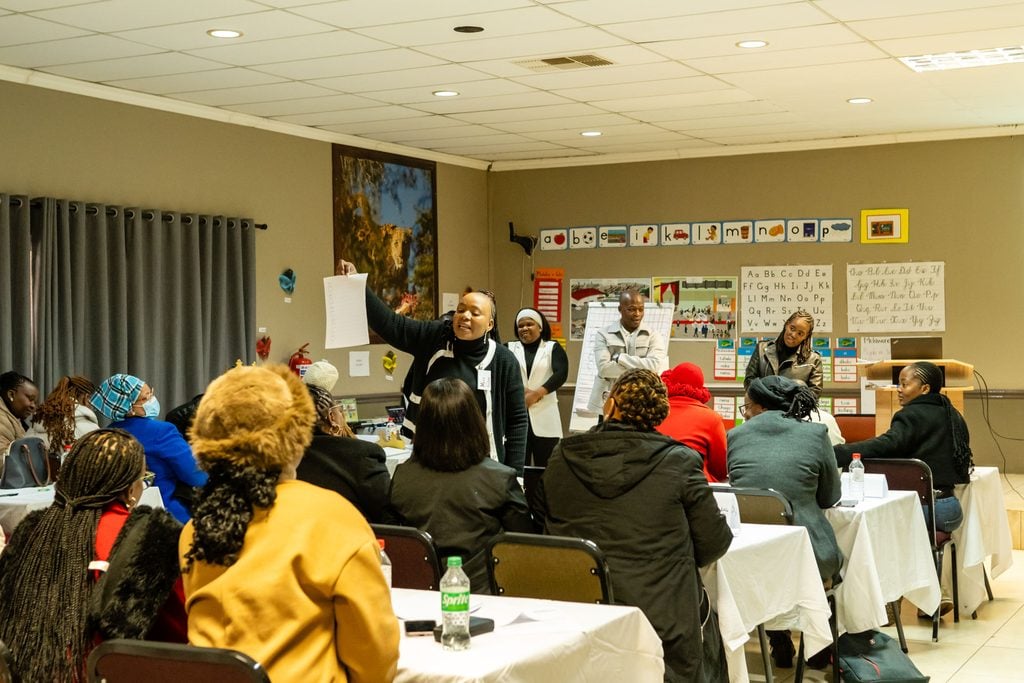
Feedback from Oxford University Press South Africa’s teacher training workshops points to demand for continued classroom support in mathematics, literacy and coding
Almost half of the 1,308 Gauteng educators who attended professional-development workshops run by Oxford University Press South Africa between January and August 2026 requested follow-up support. The findings suggests that once-off training may not be enough to help teachers respond to changing curriculum and classroom demands.
The need for continued development sits within one of South Africa’s largest provincial education systems. Gauteng’s public schools serve approximately 2.34 million learners through a workforce of 76,719 educators, according to the latest Department of Basic Education School Realities report.
The province has also made progress in bringing newly qualified teachers into schools. Between 2013 and August 2023, Gauteng placed 8,002 of 9,423 Funza Lushaka-trained teachers, an 85% placement rate. However, recruitment and placement address only one part of the challenge. Educators also need opportunities to keep their knowledge and classroom practice current throughout their careers.
Oxford’s workshop records provide an indication of where some of that support is needed. The organisation facilitated 29 sessions across the West Rand, Johannesburg, Tshwane, Sedibeng and Ekurhuleni education districts during the first eight months of 2026.
The programme recorded 1,611 attendances among 1,308 individual educators, showing that some teachers participated in more than one session.
Mathematics attracted the strongest participation, particularly workshops covering time, number concepts and broader mathematics proficiency. Reading comprehension, coding and robotics, phonemic awareness, phonics, guided writing and curriculum integration also drew interest.
Feedback indicates that teachers value development that can be applied directly in the classroom. Across 1,454 completed evaluations, more than 95% of respondents agreed that the topics were relevant, the workshop objectives were achieved and the supporting materials would be useful in their teaching.
The demand did not end with the workshops. A total of 713 participants requested further support, including additional presentations, school visits and assistance with teaching materials.
“Teachers are asking for help with what happens in the classroom tomorrow,” says Charles Sibiya, OUPSA’s Gauteng Provincial Manager. “When almost half of participants request follow-up support, it shows that professional development should not end when the workshop does. Teachers need somewhere to take the next question, test an approach and receive further guidance.”
The subjects educators want to explore also continue to change. More than 1,000 suggestions for future Gauteng workshops covered creative writing, coding and robotics, reading, assessment, group guided reading, life skills and financial literacy.
The range reflects the demands placed on teachers, who must manage curriculum changes, different levels of learner readiness, subject knowledge and emerging technology simultaneously.
No single workshop programme can meet Gauteng’s teacher-development needs. The feedback does, however, suggest that we should continue asking educators what support they require, offer training grounded in classroom realities and provide a clear route to further assistance.
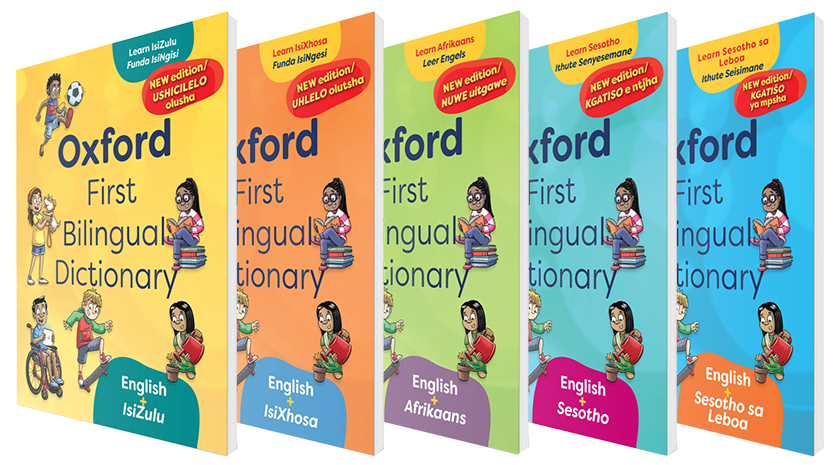
Oxford’s Gauteng’s teacher development workshops is one example of this approach, pairing curriculum-aligned resources with practical workshops and follow-up options.
“Every workshop should end with a clear next step,” Sibiya says. “Teachers should leave with something they can use immediately, and a way to continue learning after the session.”
Teachers and school leaders can find information about Oxford’s upcoming workshops at https://bit.ly/4f0hUhL.